
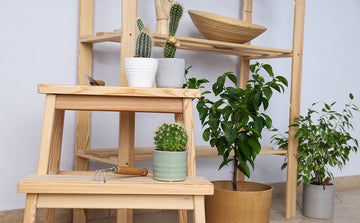
How to Choose the Right Materials for Plant Pots and Plant Stands to Elevate Your Gardening Experience
Plant pots and plant stands are more than just a lifestyle trend – they elevate your living space. Plants are a staple in modern households, bringing us closer to nature.
While planters can enhance your living experience in numerous ways, they require constant care and maintenance.
Luckily, today, there is an array of options of plant pots and plant stands with highly evolved functions to drastically reduce your efforts.
This video is sourced from YouTube@GARVEE
But when it comes to choosing a planter pots or a stand to support it, you must consider many factors that determine your plant’s overall well-being, as well as work in your favour, including budget, longevity, aesthetics and more.
Table of Contents
- Everything you need to know about plant pots
- The benefits of choosing the right plant stand
- Wood vs metal vs ceramic – Pros and Cons
- What kinds of plant pots are best for your home or garden?
- Which plant stand should you pick?
Everything you need to know about plant pots

Plants only thrive under the right conditions and environment. The right type of pot or planter is pivotal to their growth and health.
It’s easy to get carried away by the range of plant pots readily available in the market without focusing on the specific requirement, which varies from plant to plant.
Various aspects of a pot directly impact the plant. Hence, you must consider factors like the size of the pot, its ability to retain water, and proper drainage if you’re planning to raise a garden.
Here are all the factors to keep in mind when picking pots for your prized plants.
Type of Plant – One-size-fits-all is a no-no in gardening. Every plant deserves different care; some thrive in a smaller pot while others demand more space to grow.
For instance, cacti and succulents grow best in shallow and wide pots, and larger herbs and shrubs need taller pots. So, you must understand the nature of your plants before picking them a new home.
Environment – Plant pots are made of different materials based on the environment they are exposed to.
The ones made of ceramic can easily in hot weather, so they are recommended for regions with moderate temperatures.
On the other hand, plastic pots are known for their durability and can withstand external elements. But they tend to cause environmental concerns by being non-biodegradable.
I you haven’t yet, check out the sleek and stylish Tall Planter by Garvee, designed to enhance the appeal of your personal space.
The elegant plant pot is perfect for an indoor and outdoor setting, whether you want to place it by your desk in your study or next to the couch on the patio.
Maintenance – While gardening can be therapeutic, you wouldn’t want to bite off more than you can chew. Therefore, pick a plant pot depending on the time and effort you’re willing to invest.
Thanks to self-watering plant pots, such as Garvee’s Large Flower Pot with in-built drainage and water level monitor, you can be a plant parent without having to worry about additional tasks.
Replanting – Some plants need timely replanting, which is only possible in specific types of pots. Ideally, you should pick a pot that’s 1 or 2 inches larger than the current root size.
This ensures roots have sufficient space to grow, and removing the plant from the pot will be easier when it needs an upgrade.
Size – The size of the plant pot matters for several reasons. Sufficient space allows better drainage and water retention, in the absence of which the roots will struggle.
Similarly, forcing a large plant into a smaller pot can adversely affect the roots with poor circulation. The soil tends to heat up and cool down unnaturally when the surface area of the pot is larger than needed.
A planter that’s right-sized offers better support to a growing plant and prevents soil degradation.
The benefits of choosing the right plant stand

Plant stands boast multiple benefits, including the well-being of your plants. Here are some of the ways having a stand for your plants elevates your gardening experience.
Aesthetic appeal – Plant stands come in various shapes, sizes and designs, carefully crafted to add edge to your home décor.
Available in metal, wood, boho and more, these structures can be a great addition to your outdoor and indoor space.
Furthermore, plants arranged in a cluster on a stand, as opposed to single pots, are undeniably more attractive and enhance the overall appeal of the space.
Space optimization – Using a plant stand for your plant naturally saves plenty of space, which can be used to store garden essentials or for other purposes.
The plant stands also ensure the space around it is tidy, and the gap between the floor and the structure allows efficient cleaning.
Promotes plant growth – Plants placed at a height using a stand are better exposed to sunlight and also benefit from air circulation under the pot, improving the growth of roots.
The elevation also stops pests from feeding on the root or leaves, which is a persistent among pots placed on the ground.
Protects the floor – It’s not uncommon for the floor underneath a pot to become dirty and get stains.
Your expensive carpets or floor mats can also become damaged from excessive water that seeps out of the pot. But a plant stand can avoid all the problems we mentioned here
Wood vs metal vs ceramic – Pros and Cons
Here, we have listed the pros and cons of planters and plant stands made from different materials.
1. Plant pots

Planters and pots are typically made of ceramic, clay and plastic. Each material warrants different care for the better growth of the plants.
1.1 Clay pots
Clay pots have existed for a long time. The traditional pots often come in standard colors; they may vary slightly in size and shape.
Pros
● Eco-friendly and easy on the pocket. They are easily available anywhere in the world.
● The material allows proper drainage and air circulation, thus keeping the roots from rotting due to excessive moisture.
● Those who prefer a rustic look can count on ceramic plant pots to enhance the appeal of their space.
Cons
● Clay pots are fragile. They can easily break when exposed to a sudden change in temperature or while being moved around.
● They tend to dry out easily, which means you must water them frequently.
● Clay pots are only suitable for plants that thrive in dry conditions, as they aren’t great at retaining moisture.
● These pots are best for growing cacti, succulents and specific herbs.
1.2 Plastic pots
Plastic plants pots have grown popular in recent years, with more and more people using them to enhance the appeal of their homes and gardens.
Pros
● Pots made of plastic are durable and weigh much less than clay or ceramic.
● They are budget-friendly and offer multiple features for a reasonable price. Such as the tall oval plastic planter by Garvee, which is sleek, sturdy and easily removable for soil change with UV-resistant and weather-resistant features.
● Available in a range of colors, they perfectly blend into your interiors. Larger plastic pots are a great choice for outdoor gardening, too
Cons
● Roots of plants in plastic pots have more chances of rotting due to a lack of absorbability. So, they are only suitable for specific plants.
● Prolonged exposure to sunlight and extreme temperatures can make the plastic brittle and breakable.
● Plastic pots tend to have poor air circulation and aren’t as breathable as other materials, which can adversely affect the roots and the plant’s overall growth.
1.3 Ceramic pots
Known for their aesthetics, ceramic pots are people’s go-to choice to make their home or garden vibrant.
Pros
● Ceramic pots are fairly heavy and sturdy, naturally supporting the plant regardless of its size.
● They are good at retaining moisture for better root health, unlike plastic or clay pots.
● Ceramic pots can withstand harsh weather conditions and protect the roots from damage with UV-resistant properties.
Cons
● The weight of ceramic pots can also be a drawback if you tend to move frequently.
● While ceramic pots are good at retaining moisture, poor drainage, which is likely, can cause the roots to rot.
● These pots are expensive and typically cost more than other options.
2. Plant stands

There is no dearth of options when it comes to plant stands made from different materials. We have listed the advantages and disadvantages of each type.
2.1 Wooden plant stand
Pros
● Look no further if you want to make your indoor look warm instantly, as wooden plant stands serve the purpose. The aesthetically appealing structures easily blend with the indoor décor.
● They are generally sturdy and support medium to large pots.
● You can stain or paint it to suit your taste.
Cons
● Wooden plant stands rot when exposed to excessive moisture, therefore require constant care.
● They can fall prey to pest and insect infestation easily.
● Wood is fairly heavy compared to other materials.
2.2 Metal plant stand
Pros
● Metal plant stands are sturdy and durable, so they are great value for money.
● They can range from modern to vintage depending on the finishing.
● They are suitable for indoor and outdoor spaces.
Cons
● Rust can eat away at metal if it lacks regular maintenance.
● Metal can damage the floor or stain it if not well-padded.
● These plant stands are heavier than wood and plastic, thus making them difficult to move around.
2.3 Plastic or resin plant stand
Pros
● Plastic or resin plant stands are lightweight and easy to move around or transport.
● They are also resistant to external elements like sun, wind, rain or snow.
● Available in various shapes, designs and sizes, plastic plant stands are a great addition to your home décor.
Cons
● The negative impact on the environment is one of the biggest concerns non-biodegradable plastic plant stands pose.
● Plastic stands that aren’t of high quality can fade and become discoloured over time.
● They become useless in extreme weather by cracking or becoming brittle.
What kinds of plant pots are best for your home or garden?

You’ve learned all about the advantages and disadvantages of different types of plant pots – how do you know which one to choose to elevate your gardening experience?
If you’re planning to add more plants to your garden, we recommend going with the large outdoor planter by Garvee.
The self-watering, elegant black pot comes with a water level monitor, so you don’t have to invest a lot of your time or energy in maintaining it. The high-grade polypropylene material is strong, durable and delivers impressive performance.
However, if you want to feel close to nature within your home, the tall plastic planter in a set of 2 is just the option for you.
It comes with built-in drainage and a water reservoir, eliminating the hassle of timely watering. The plastic structure is lightweight but durable, with a matte black finish adding an elegant touch to it.
Go with Garvee’s tall indoor/outdoor planter if you’re looking for heavy-duty plant pots. The sleek and modern design with wheels for easy movement is known for exceptional durability.
As well as being resistant to frost and sun, the heavy-duty planter comes with built-in drainage and auto watering features.
Which plant stand should you pick?

There are numerous factors you must consider while picking an indoor or outdoor plant stand, such as size, design, material and type of plants you wish to grow, among more.
Based on design, they are mainly of two types – single-tier and multi-tier plant stands. Each category has unique aspects that add value to your home or garden.
Single-tier plant stand is recommended for novice pet parents who want to take care of not more than a couple of plants at a time.The multi-tier ones, however, are best for raising more plants at once while saving space and reducing the task of maintenance.
The modern plant stands come with intricate details such as overhanging hooks and multiple shelves for style and efficiency.
The 5-tier Curved Metal Plant Stand with 6 hooks by Garvee is perfect for any balcony. While the half-moon shape adds a special touch, the heavy-duty iron frame keeps the structure stable.
Planning to take a break from gardening? The plant stand wouldn’t be rendered useless, as you can turn it into a stylish bookshelf.If you’re looking for a more traditional yet elegant plant stand, we recommend the Large Metal Plant Shelf with hanging hooks.
The sturdy 7-tier design accommodates more than 12 to 15 small to medium-sized pots at a time and saves you a lot of floor space. Standing at 44 inches tall, it is suitable for the garden, balcony or even in your living room.
Looking for something more unique? Check out the heart-shaped Metal Indoor Plant Stand with detachable wheels and the rest of Garvee’s plant stand collection to find one to your taste.
More to read
Plant Pots Vs. Plant Stands: How To Choose The Best Display For Your Greenery


